What Are Demodex Mites?
Demodex mites are microscopic parasites that commonly live within hair follicles and oil glands, including those found around the eyelashes and eyelids. Most adults have some Demodex present without any symptoms. However, when mite numbers increase, they can trigger inflammation and disrupt the normal function of the eyelids and tear film.
Demodex infestation is increasingly recognised as a common cause of:
- Itchy eyelids
- Lash loss
- Red or irritated eyes
- Burning sensations
- Crusting around the lashes
- Dry eye symptoms
- Blepharitis
- Meibomian gland dysfunction (MGD)
- Recurrent styes and chalazia
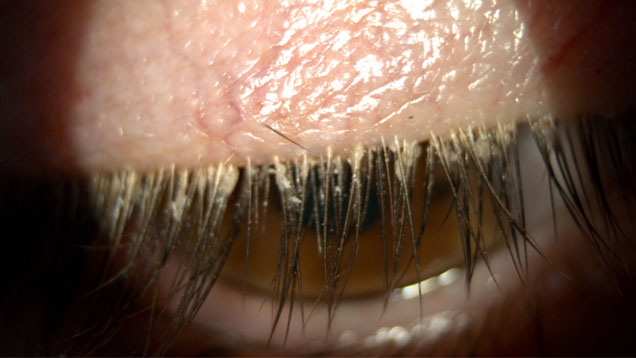
One of the classic signs of Demodex is the presence of cylindrical dandruff (collarettes) at the base of the eyelashes. These deposits can often be identified during a detailed eyelid examination.
The good news is that Demodex is common, treatable, and rarely dangerous. Early diagnosis can help prevent ongoing discomfort and reduce the risk of chronic eyelid inflammation.

Who Should Schedule Treatment for Demodex?
Demodex becomes increasingly common with age and is particularly prevalent in adults over 60. However, it can affect people of all ages including children and especially those experiencing ongoing eyelid irritation or dry eye symptoms.
You may benefit from a specialist assessment if you experience:
- Persistent itchy eyelids
- Redness around the eyelid margins
- Crusting or debris around eyelashes
- Burning or stinging eyes
- Recurrent styes or chalazia
- Blepharitis that keeps returning
- Dry eye symptoms that do not improve with standard treatments
Many patients spend years treating dry eye without realising that Demodex may be contributing to their symptoms.
What to Expect from Demodex Treatment
Successful treatment begins with a comprehensive examination of your eyelids, eyelashes, tear film, and meibomian glands.
At Dry Eye Centre, we use specialist imaging and clinical examination techniques to identify signs of Demodex infestation and assess any associated dry eye disease or eyelid inflammation. Treatments from Dry Eye Centre are bespoke and tailor made for each patients needs. They may include a number of the following:
Specialist Eyelid Hygiene
Professional eyelid cleaning removes debris, collarettes, and inflammatory material from the lash line.
Tea Tree Oil Alternatives
Historically, tea tree oil products were commonly used to reduce Demodex populations. However, newer treatment approaches are often better tolerated and more comfortable for patients.
Prescription Demodex Treatments
New prescription therapies designed specifically to target Demodex mites may be recommended where appropriate.
Demodex treatments may include:
- Intense Pulsed Light (IPL)
- Low-Level Light Therapy (LLLT)
- Meibomian gland expression
- Lubricating eye drops
- Anti-inflammatory treatment
What Results Can I Expect?
Most patients notice improvements in:
- Itching
- Irritation
- Redness
- Eyelid comfort
- Dry eye symptoms
Are There Any Side Effects?
Side effects are generally mild and may include:
- Temporary eyelid sensitivity
- Mild redness following treatment
- Temporary irritation from cleansing products
Management of Associated Dry Eye
Many patients with Demodex also experience other eye conditions that Dry Eye Centre can help with. These conditions include, but are not limited to, meibomian gland dysfunction, blepharitis, ocular surface inflammation, and evaporative dry eye.
Demodex Homecare Advice
Homecare plays an important role in controlling Demodex and reducing recurrence.
We commonly recommend:
- Daily eyelid cleansing
- Replacing old eye makeup regularly
- Thorough makeup removal before sleep
- Washing pillowcases frequently
- Avoiding sharing eye cosmetics
- Following your prescribed treatment plan
Consistency is often the key to long-term success.
You may also find our pages on Blepharitis, Meibomian Gland Dysfunction, and Eyelid Hygiene helpful.
Why Choose Dry Eye Centre for Demodex Treatment?
Dry Eye Centre is one of the UK’s leading clinics dedicated exclusively to dry eye disease and ocular surface disorders.
Patients choose us because we offer:
- Specialist expertise in dry eye and eyelid disease
- Advanced diagnostic technology
- Detailed eyelid and meibomian gland assessment
- Personalised treatment plans
- Access to advanced in-clinic therapies
Rather than simply treating symptoms, we focus on identifying the underlying causes of your discomfort and creating a long-term management strategy.