Frequently Asked Questions
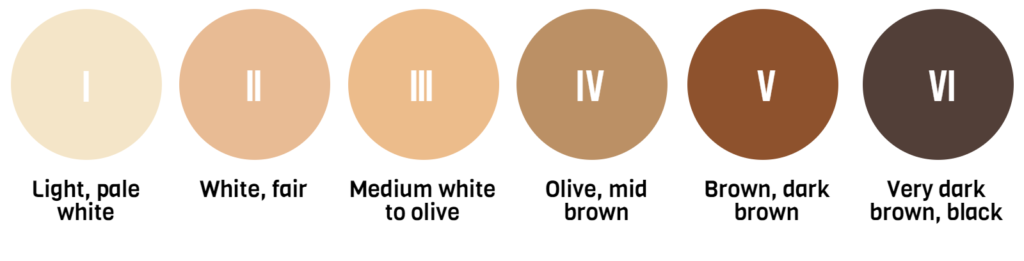
Certain things make you unsuitable for IPL treatment, these include having darker skin tone (ideally you need to have a lighter tone than Fitzpatrick type 4), having a pacemaker or being pregnant. Being on certain medication also can make you unsuitable for treatment, such as Doxycycline.
This depends on your insurance provider.
Yes, some homecare strategies can help relieve symptoms. These include using a humidifier, taking regular screen breaks, staying hydrated, and applying warm compresses. However, home remedies alone are unlikely to resolve aqueous tear deficiency, so professional treatment is often needed for long-term relief.
IPL may not be suitable for certain skin types, during pregnancy, or for patients with specific medical or skin conditions. Suitability is assessed during consultation.
Plugs can cause excessive tearing so patient selection is important. Rarer risk includes plug migration, choice of plug is therefore important.
No - meibography is very safe. It doesn’t touch your eye and doesn’t cause pain or side effects.
Side effects are usually mild and temporary, such as slight redness or warmth in the treated area.
Rexon-Eye is generally well tolerated and non-invasive. Your clinician will discuss any potential risks and suitability during your consultation.
Omega-3 supplements may support healthy oil gland function and tear quality for some patients. Supplements should support, not replace, proper eyelid hygiene and should be discussed with a professional before use.
There is no single cure, but symptoms can be well controlled with the right treatment plan.
Yes, when chronic, blepharitis is often linked to lid margin inflammation and dry eye disease which can affect the tear film quality and health of the cornea.
Symptoms can improve significantly with treatment, but blepharitis often requires ongoing management to prevent recurrence.
Some health insurance providers may offer partial reimbursement. We recommend checking directly with your insurer.
Combined therapy is safe and effective. It is regarded as maximum light therapy as multiple factors are treated at the same time.
Yes. IPL can improve oil gland function and reduce eyelid inflammation, making it effective for preventing recurrent chalazia linked to dry eye or blepharitis.
There is no single “cure,” but it is highly manageable. With the right combination of treatments and lifestyle adjustments, symptoms can be greatly reduced or eliminated.
In many cases, MGD can be improved and managed effectively with the right treatment. While it may not always be fully reversed, early intervention can restore gland function and significantly reduce symptoms.
Yes, in some cases. Eye strain and discomfort caused by dry eye and unstable vision can contribute to headaches, particularly after prolonged screen use.
The area surrounding the plug can become infected but this is a rare occurance and can be treated with medicated drops and removal of the plug if required.
Yes. Many patients benefit from combination therapy when multiple factors contribute to their dry eye disease.
Dry eye disease is typically a chronic condition. Rexon-Eye aims to improve ocular surface health and reduce symptoms, but ongoing management may still be required.
Water alone is often not effective at removing oils and bacteria from the eyelids. Specially formulated lid-cleaning products or wipes are usually recommended as they are designed to be safe and effective for the delicate eye area. The type of product can be advised specifically according to your diagnosis.
No referral is needed. You can book directly with Dry Eye Centre.
No - whilst we do use the Lipiview to help us with assessing dry eyes, we do not provide Lipiflow treatment. We have instead chosen IPL technology because we believe it to be more effective for the treatment of meibomian gland dysfunction. We also prefer to express the glands manually- we find this more useful as it helps us to see the quality of oil that is produced along each eyelid.
Aqueous deficient dry eye is one of the two main types of dry eye disease, though it is less common than evaporative dry eye. It is particularly prevalent in older adults and individuals with autoimmune conditions. Many patients experience a combination of both types, which is why professional diagnosis is important.
Blepharitis is usually managed rather than permanently eliminated. Regular eyelid hygiene and professional treatment can control symptoms effectively.
We are a dedicated dry eye clinic. The first appointment is an hour long to ensure we have enough time to take a details history and time for the diagnostic tests to formulate a treatment plan. Tests include meibography and manual meibomian gland expression. We are the first in the country to use Intense Pulsed Light for the treatment of dry eyes. Our specialist optometrists are independent prescribers so can prescribe any medication that is deemed necessary.
A small camera uses safe infrared light to scan your eyelids. Your clinician gently lifts your eyelid to take the image - there’s no contact with your eye, and it’s completely comfortable.
Most people benefit from cleaning their eyelids once or twice daily, particularly when symptoms are active. Your optometrist may advise adjusting frequency based on your condition and response to treatment.
Punctal plugs can last from weeks to years and depends on the type of plug used. Certain types can fall out and an alternative type can be considered for longer lasting effect. The stability of a plug can depend on the anatomy of the tear duct.
Most people will feel a benefit within days of insertion.
The assessment itself usually takes only a few minutes to perform. However, it is often completed as part of a more comprehensive dry eye consultation, which may include additional investigations depending on your symptoms.
Most sessions last around 15–20 minutes.
The test usually takes around 5–10 minutes, and you’ll get your results straight away.
Each session typically takes around 20–30 minutes. Most treatment plans involve a course of 4-6 sessions spaced a few weeks apart.
Many patients experience long-lasting improvement, particularly when IPL is combined with ongoing dry eye management.
Mild symptoms may improve within weeks, but long-term management is often needed for lasting relief.
The procedure itself is relatively quick, typically taking a few minutes per eye, although your full appointment will be longer to allow for assessment and preparation.
MGD is typically a long-term condition, but symptoms can be well controlled with ongoing care. With professional treatment and consistent home care, many people experience lasting relief.
4 sessions are ideally recommended for full effect. For more severe dry eye cases more sessions are needed.
Most patients require a course of multiple sessions, typically spaced over several weeks, depending on symptom severity.
Most treatment protocols involve four sessions. Some patients may require additional treatment depending on the severity of their condition.
Costs vary depending on the number of sessions required. A personalised quote is provided after assessment.
As dry eye is a chronic condition the treatment frequency varies, most patients need to have the treatment once or twice a year (every 6 months). In the more severe cases, patients my need top up treatment more regularly.
Some patients notice improvement within weeks of treatment, while others experience more gradual changes over several months.
Some patients notice improvement within a few days, while for others it may take a few weeks. Results often improve further when combined with consistent home care.
No, blepharitis is not contagious. It cannot be passed from person to person.
Our IPL machines are different to current ones seen on the market of hair removal and skin blemishes. We use settings that are calibrated to treat inflammation and provide photobiomodulation. Prior to IPL treatment we go through a checklist to ensure that you are suitable to have the treatment. During the procedure, protection is provided for the eyes. Some published papers report corneal damage from IPL but theses are reported with IPL machines calibrated for hair removal and skin treatment (different wavelength and energy settings). Also in these papers, patients were not provided with eye protection.
The Lumenis M22 is CE mark approved for the treatment of meibomian gland dysfunction in dry eye disease.
The Lumenis OptiLight is the first and only IPL FDA approved management of Dry Eye conditions.