Why choose low level light therapy treatment
What makes low level light therapy treatment stand out compared to other dry eye treatments?
Low level light therapy has become an increasingly popular option for people struggling with persistent dry eye symptoms, particularly when eye drops, warm compresses or lid hygiene alone are not enough. One of the key reasons patients choose low level light treatment is that it addresses underlying causes of dry eye disease, rather than simply masking symptoms.
Non-invasive
Unlike more invasive procedures, low level light therapy for eyes is completely non-invasive and does not require injections, contact with the eye surface, or downtime after treatment. The therapy uses controlled LED light applied to the eyelid area, making it a comfortable and reassuring option for patients who may feel anxious about eye treatments.
Short Sessions
Another advantage is treatment efficiency. Sessions are typically short, allowing patients to fit treatment easily around work and daily life. Many patients notice symptom improvement within the first few sessions, particularly in reduced irritation, redness and eyelid discomfort. Compared to ongoing daily use of drops, LLLT therapy can offer longer-lasting relief by improving meibomian gland function and reducing chronic inflammation.
Complements Other Treatments
Low level light therapy can also be used alongside other dry eye treatments. For patients with moderate to severe dry eye, this flexibility is important. It can complement treatments such as lid hygiene programmes, prescription eye drops, or in-clinic therapies, creating a more comprehensive and personalised treatment plan.
Long-term Improvement
For those seeking a safe, painless and evidence-based solution that focuses on long-term improvement, low level light therapy stands out as a modern and patient-friendly approach to managing dry eye disease.
How Does Red or Blue Low Level Light Therapy Work?
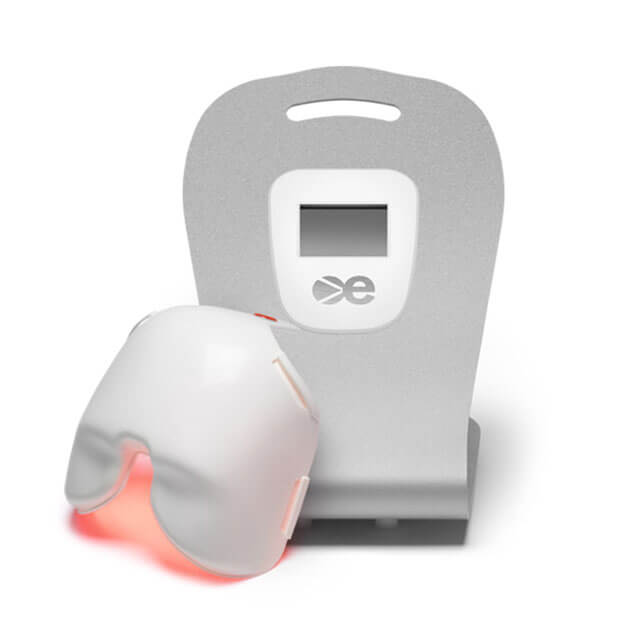
Low level light therapy works by delivering specific wavelengths of red and blue LED light to the eyelids and surrounding skin. These wavelengths interact with cells in a way that promotes healing, reduces inflammation and supports normal gland function—key factors in managing dry eye disease.
Red Low Level Light Therapy
Penetrates deeper into the tissue. It helps stimulate cellular energy production and improves blood flow, which supports the health and function of the meibomian glands. These glands produce the oily layer of the tear film, essential for preventing tears from evaporating too quickly. When these glands are blocked or inflamed, dry eye symptoms often worsen. Red light helps soften blockages and improve oil secretion quality.
Blue Light
Blue light has strong antibacterial and anti-inflammatory properties. It is particularly useful for patients with blepharitis, where bacteria and inflammation along the eyelid margins contribute to discomfort and redness. Blue light helps reduce bacterial load and calm irritated eyelid tissue.
During a low level light therapy session, you will be comfortably positioned while a specialist LED mask or device is placed over the closed eyelids. Protective eye shields are used where appropriate. The treatment is painless, produces gentle warmth, and typically lasts around 15–20 minutes. No recovery time is needed, and patients can return to normal activities immediately.
Importantly, when used for eye care, LLLT therapy is carefully calibrated and clinically supervised, ensuring it is safe and effective for treating dry eye conditions rather than cosmetic concerns.
Low Level Light Therapy with Dry Eye Centre
At Dry Eye Centre, low level light therapy is delivered as part of a specialist-led, personalised approach to dry eye care. Our clinicians have extensive experience in diagnosing and managing complex dry eye conditions, ensuring LLLT is only recommended when it is truly suitable for you.
We combine low level light therapy with detailed assessments, follow-up reviews and access to complementary treatments where needed. This ensures you receive not just a single treatment, but a long-term management plan focused on lasting symptom relief and eye health.
Benefits
- Safety – clinically proven and well tolerated
- Skin benefits as well as eye benefits
- Fast results for many patients
- Long-term relief by addressing inflammation and gland function
- Non-invasive treatment
- Painless and comfortable sessions
Low Level Light Therapy Aftercare Advice
After low level light therapy, most patients can resume normal activities immediately. You may be advised to continue lid hygiene, warm compresses or prescribed eye drops to support results. Follow-up treatments are often recommended as part of a course, depending on the severity of your dry eye. Your clinician will guide you on home-care routines and review progress to optimise long-term outcomes.
How Does Low Level Light Therapy Compare With IPL Treatment for Dry Eye?
Both low level light therapy and IPL (Intense Pulsed Light) are effective in-clinic treatments for dry eye, particularly meibomian gland dysfunction.
In many cases, the two treatments can be used together, with LLLT enhancing and maintaining the benefits of IPL for improved long-term results. Your clinician will advise on the most appropriate approach for your condition.
IPL uses high-energy light pulses to reduce inflammation and abnormal blood vessels, while low level light therapy uses gentler LED wavelengths to stimulate cellular healing and reduce inflammation.
Current evidence suggests that LLLT therapy is especially beneficial for patients who prefer a more comfortable, non-intense treatment or who may not be suitable for IPL.
LLLT FAQs
Combined therapy is safe and effective. It is regarded as maximum light therapy as multiple factors are treated at the same time.
Most sessions last around 15–20 minutes.
Most patients require a course of multiple sessions, typically spaced over several weeks, depending on symptom severity.
Costs vary depending on the number of sessions required. A personalised quote is provided after assessment.
Yes. When delivered by trained professionals, low level light therapy for eyes is considered safe and well tolerated.
Dry eye disease, meibomian gland dysfunction, blepharitis and eyelid inflammation.
Combined therapy is safe and effective. It is regarded as maximum light therapy as multiple factors are treated at the same time.
Most sessions last around 15–20 minutes.
Most patients require a course of multiple sessions, typically spaced over several weeks, depending on symptom severity.
Costs vary depending on the number of sessions required. A personalised quote is provided after assessment.
Yes. When delivered by trained professionals, low level light therapy for eyes is considered safe and well tolerated.
Dry eye disease, meibomian gland dysfunction, blepharitis and eyelid inflammation.