What Are Punctal Plugs?
Punctal plugs are sometimes called dry eyes tear duct plugs or punctum plugs. They are tiny medical devices designed to relieve chronic dry eye symptoms. They are inserted into the tear ducts (also known as puncta) to help keep moisture on the surface of your eye for longer.
If you suffer from persistent dry, gritty, or burning eyes that don’t improve with artificial tears or drops, punctal plugs may be a safe, long-term solution.
The insertion is a non-surgical and pain-free procedure.
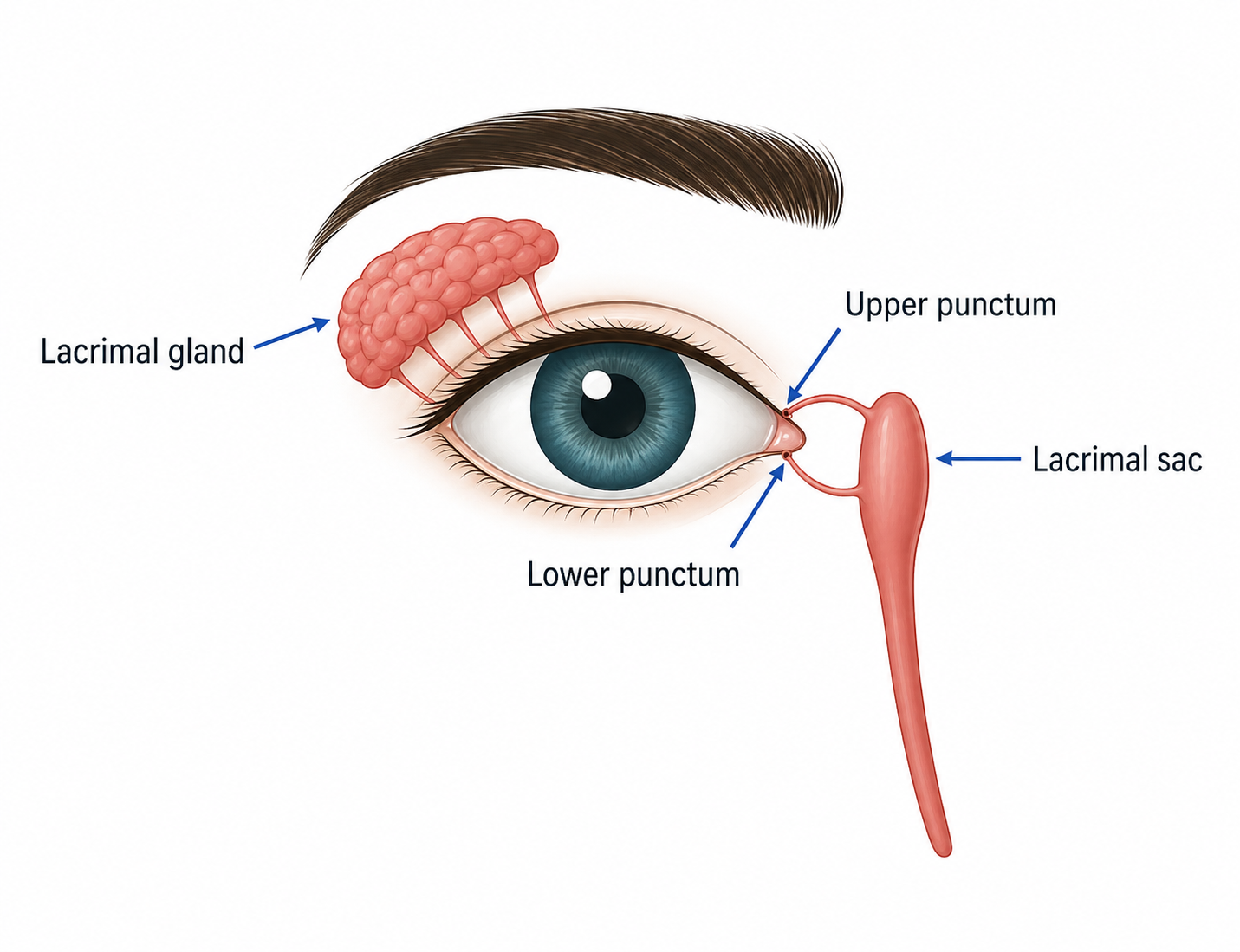
How Do Punctal Plugs Work?
Tears naturally drain away from your eyes through small openings called puncta, located in the upper and lower eyelids. In people with evaporative dry eye, tears evaporate too quickly, leaving the eye surface unprotected. In people with tear aqueous deficiency, the tear volume is inadequate for the ocular surface.
Punctal plugs block these drainage points, allowing your natural tears to stay on the surface of your eye for longer. This helps:
- Reduce dryness and irritation
- Improve comfort during reading, screen use, and driving
- Support overall eye health by keeping the cornea better lubricated
Uses of Punctal Plugs
The following diagram highlights the various use cases of punctal plugs and how they can be used to alleviate symptoms of several dry eye conditions:

Chronic Dry Eyes
Keeps natural tears on the eye longer, easing irritation. If artificial tears drops are used, they will stay on the surface for longer.

Pre-eye Surgery
Enhances ocular surface in preparation for surgery to minimise post-eye surgery dryness and optimise the visual outcome.

Post-eye Surgery Dryness
Supports healing by preventing dryness after laser refractive surgery or cataract surgery.

Contact Lens Discomfort
Improves lens comfort by retaining more moisture. Certain lenses require a minimum tear volume to provide vision and comfort.

Seasonal or Environmental Dryness
Reduces irritation caused by wind, air conditioning, or heating. Also helps maintain tear film balance during allergy flare-ups.

Sjogrens Disease
Helps with retaining tear volume to provide relief from severe dry eye.
Types of Punctal Plugs
Punctal plugs come in different forms. Each type of punctal has its own benefits that are key to helping you with the variety of dry eye conditions. Below is a list of the types you can expect to see:
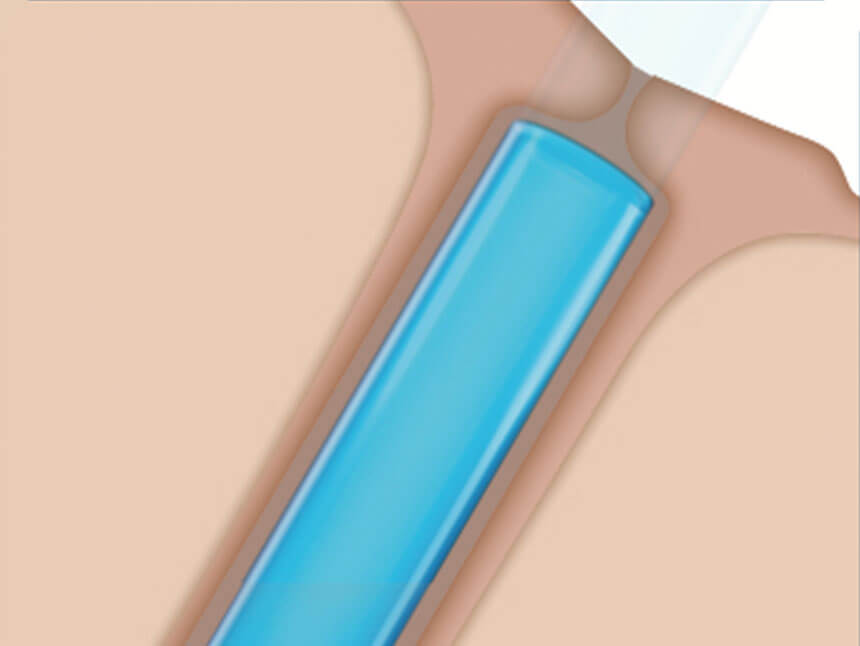
Temporary Dissolvable
Made of collagen or co-polymer, dissolve naturally in months.
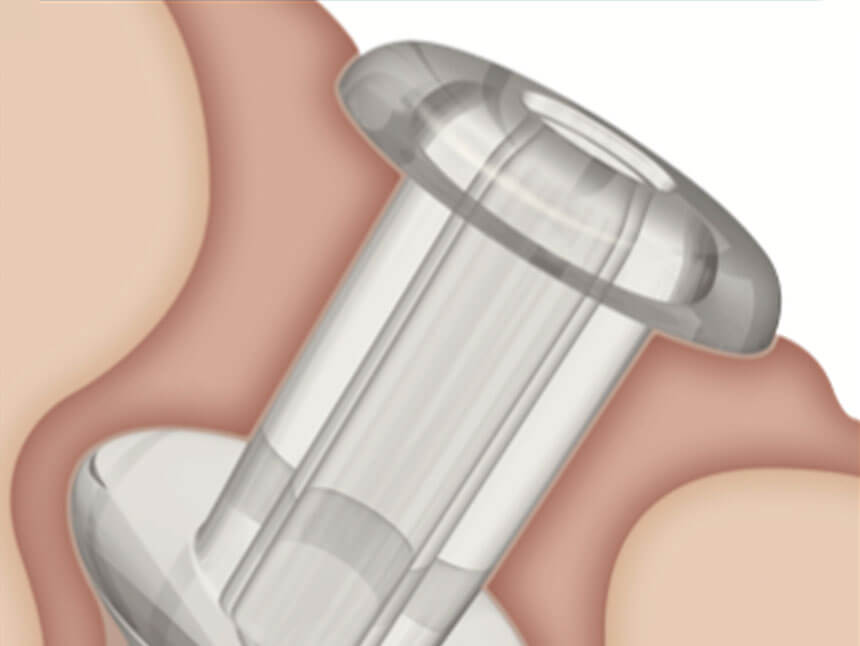
Semi-permanent Silicone
Soft, durable plugs that can stay in place for years.
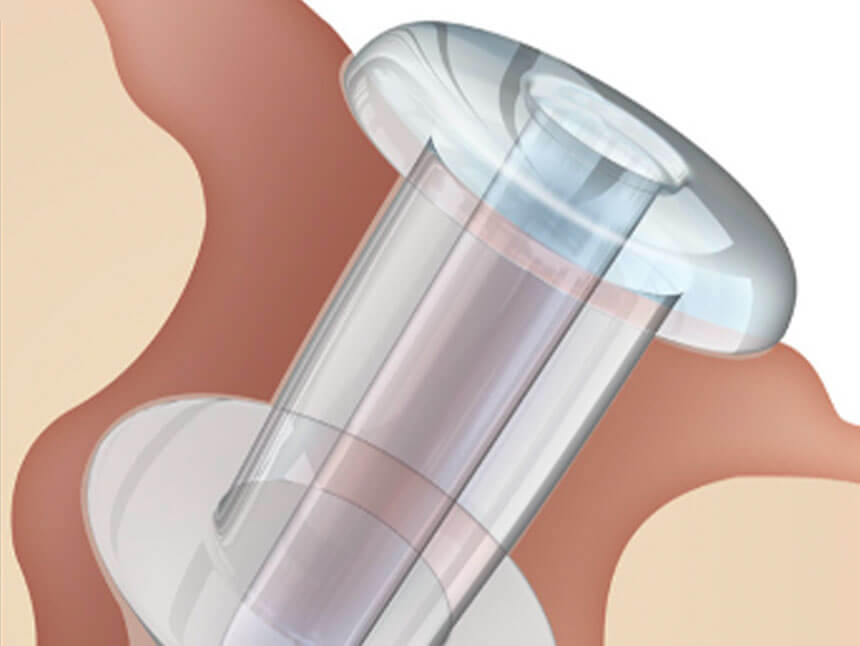
Partial Flow Semi-permanent Silicone
Provides partial blockage of the tear duct, with a narrow draining channel
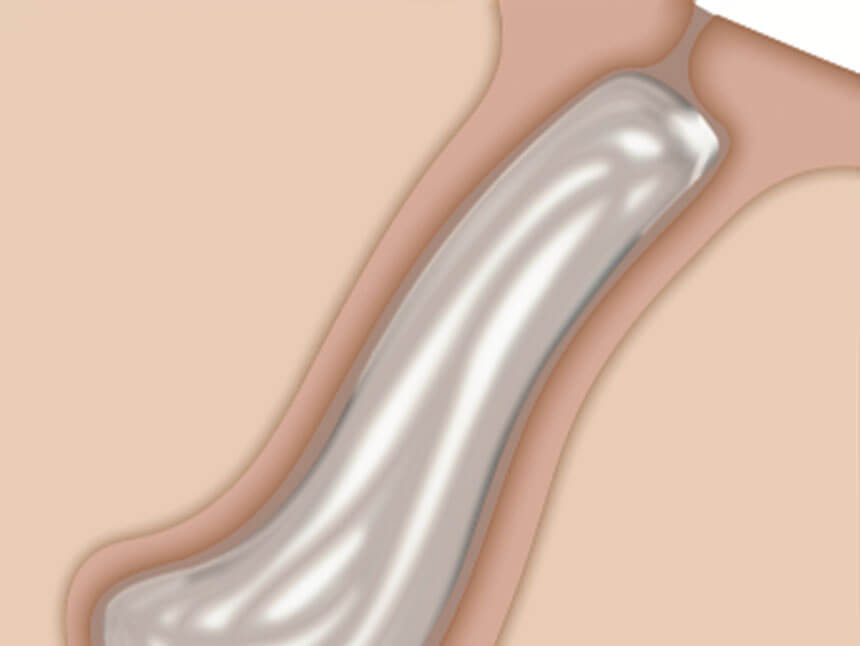
Intracanalicular Plugs
Hidden deeper in the tear duct, invisible from the outside. Newer types can be injected into tear duct channel without the need for a minor operation procedure.
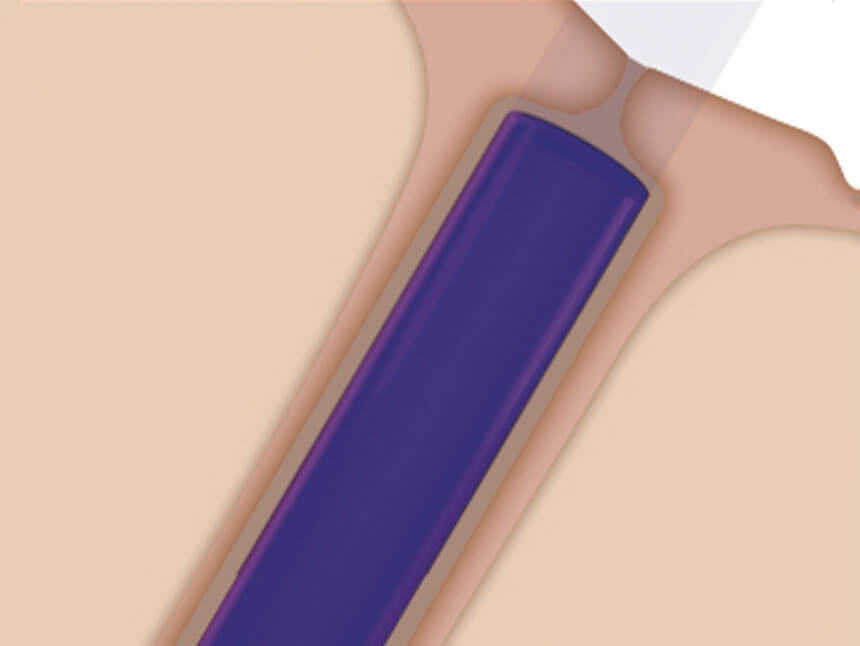
Extended Duration
Slower to dissolve, lasting up to 6 months
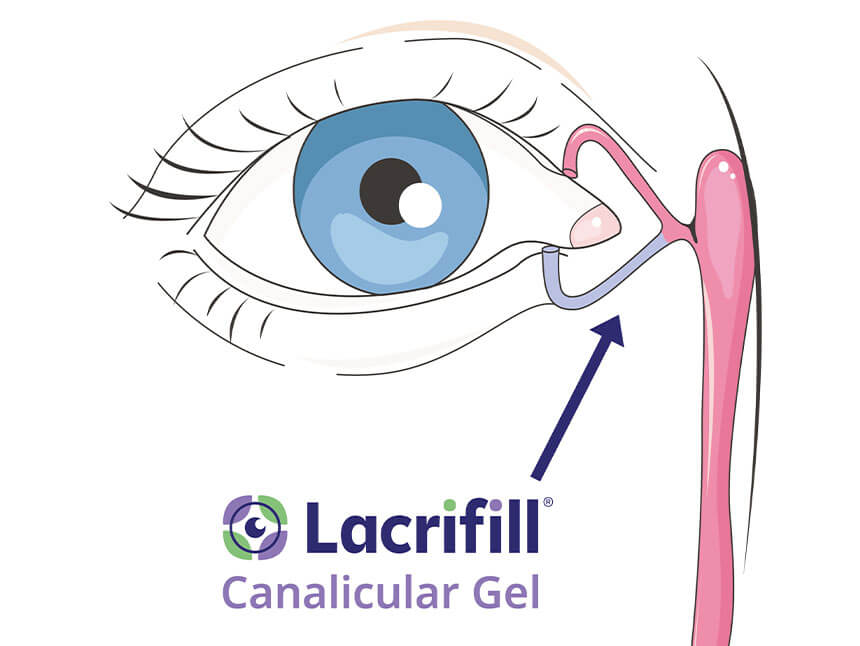
Lacrifill®
Lacrifill® is a cross-linked hyaluronic acid canalicular gel that is gently placed into the eye’s tear drainage channels
The Punctal Plug Procedure
The punctal plug procedure is quick, safe, and minimally invasive without the need for anaesthesia
The eye specialist examines your tear ducts.
A plug (temporary or permanent) is gently placed into the puncta.
No surgery, stitches, or downtime required.
The procedure takes a few minutes for each eye.
Most patients notice improved comfort within days.
Patients often report the procedure feels like having an eyelash touched on the eye — a brief, mild sensation with no lasting discomfort.
It is important to ensure that any significant inflammation has been treated before having punctal plugs so a prior full assessment is strongly advised.
Why Choose Dry Eye Centre?

Specialist care
Expert Optometrists in advanced dry eye management.
Tailored treatment
Plugs chosen and fitted to your unique eye shape and condition.
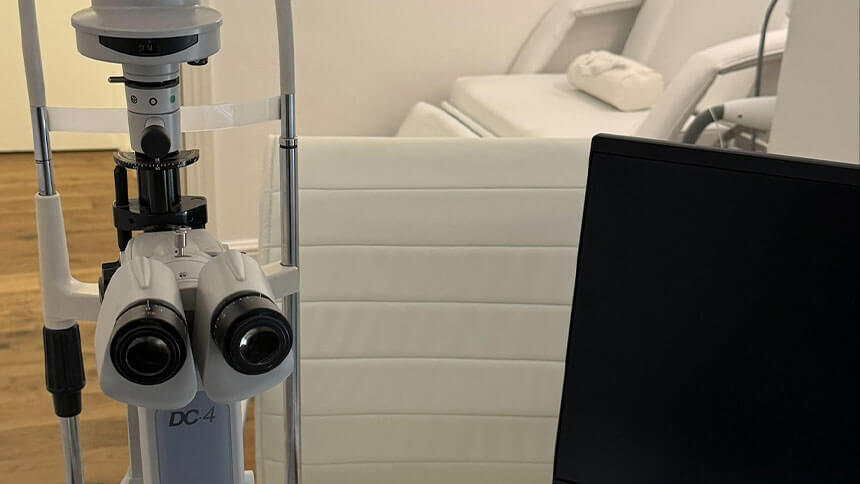
Tailored management
Our experts identify suitability for punctal plugs, not all are!

Trusted clinic
The clinic has 10+ years of experience and our patients travel from across the UK for our dry eye treatments.

Lasting Comfort
Relief from daily irritation so you can focus on life, not your symptoms.
Punctal Plugs FAQs
This depends on your insurance provider.
Plugs can cause excessive tearing so patient selection is important. Rarer risk includes plug migration, choice of plug is therefore important.
The area surrounding the plug can become infected but this is a rare occurance and can be treated with medicated drops and removal of the plug if required.
Punctal plugs can last from weeks to years and depends on the type of plug used. Certain types can fall out and an alternative type can be considered for longer lasting effect. The stability of a plug can depend on the anatomy of the tear duct.
Most people will feel a benefit within days of insertion.
No, the procedure is quick and painless. Most patients describe a bit of pressure during the insertion.
Punctal occlusion is generally not the sole treatment option for dry eye disease, it may be combined with another therapy to achieve symptom relief.
Most people do not feel them. Some people are aware of them for a few days after insertion but tend to settle very quickly. If there is lasting discomfort, they can be adjusted or removed.
This depends on your insurance provider.
Plugs can cause excessive tearing so patient selection is important. Rarer risk includes plug migration, choice of plug is therefore important.
The area surrounding the plug can become infected but this is a rare occurance and can be treated with medicated drops and removal of the plug if required.
Punctal plugs can last from weeks to years and depends on the type of plug used. Certain types can fall out and an alternative type can be considered for longer lasting effect. The stability of a plug can depend on the anatomy of the tear duct.
Most people will feel a benefit within days of insertion.
No, the procedure is quick and painless. Most patients describe a bit of pressure during the insertion.
Punctal occlusion is generally not the sole treatment option for dry eye disease, it may be combined with another therapy to achieve symptom relief.
Most people do not feel them. Some people are aware of them for a few days after insertion but tend to settle very quickly. If there is lasting discomfort, they can be adjusted or removed.