The Lipid Layer
The lipid layer is the outermost layer of the tear film that covers the surface of your eyes. It is produced by tiny glands within the eyelids called the meibomian glands. This thin oily layer helps prevent tears from evaporating too quickly and keeps the eyes comfortable, hydrated, and protected.
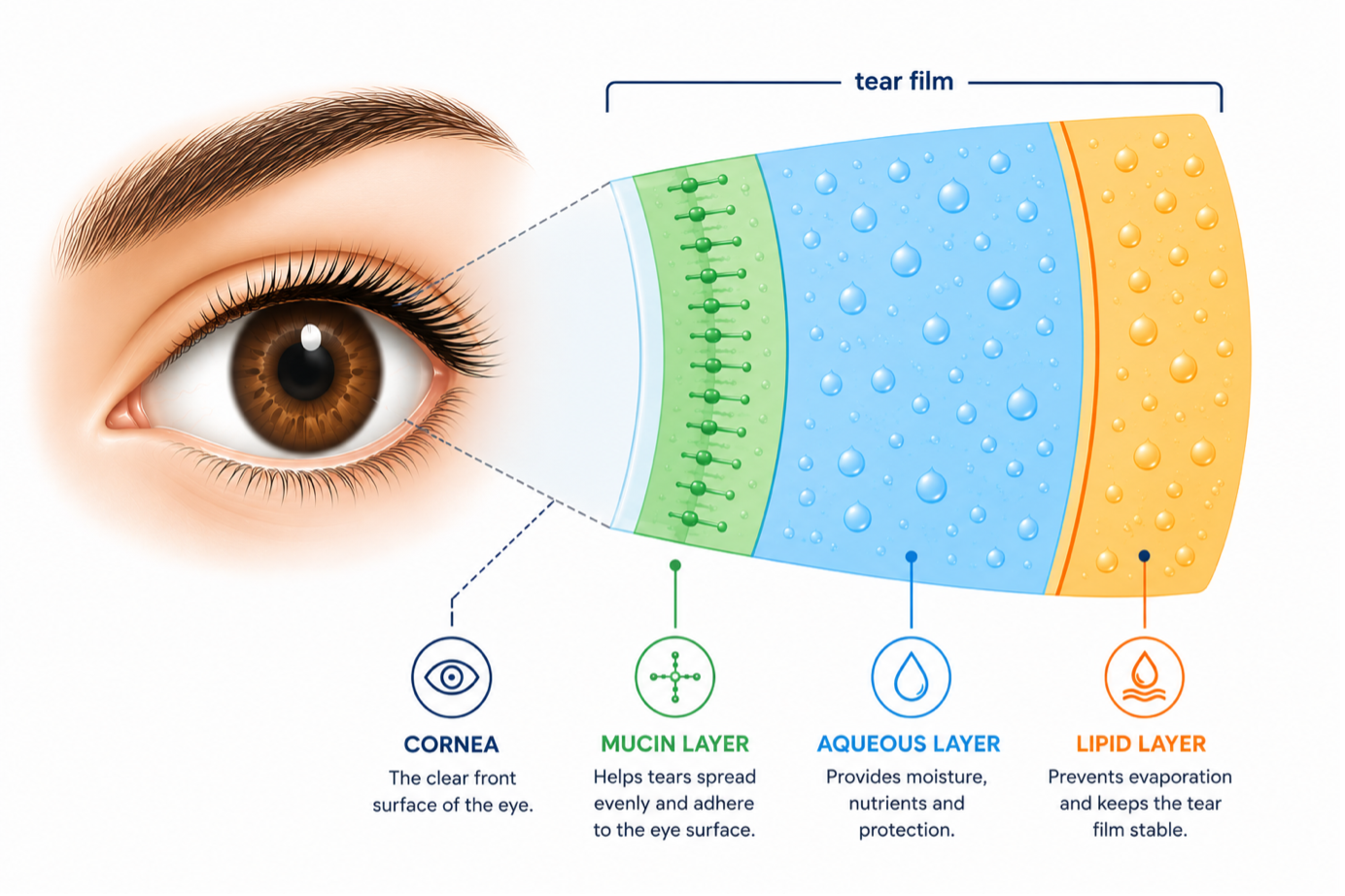
When the tear lipid layer becomes unstable or too thin, tears can evaporate faster than normal, leading to symptoms such as dryness, irritation, burning, fluctuating vision, and watery eyes. Analysing the tear film lipid layer helps identify whether poor tear quality may be contributing to ongoing eye discomfort.
What is a lipid layer analysis?
A lipid layer analysis is a specialist dry eye assessment that examines the quality and thickness of the tear film lipid layer using advanced imaging technology called interferometry. This non-invasive test allows your clinician to evaluate how effectively the tear film is protecting the surface of the eye.
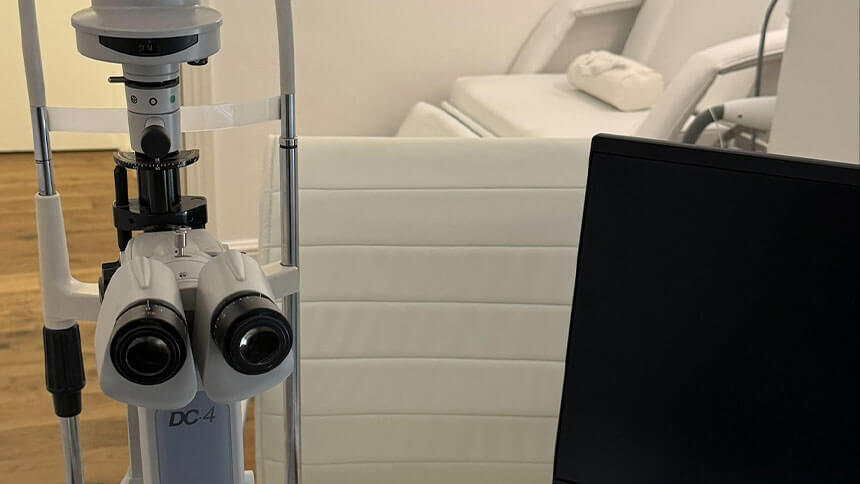
During the assessment, a specialised device captures detailed images of the tear film and measures lipid layer thickness. The scan can help identify whether the meibomian glands are functioning properly and whether tear evaporation may be contributing to dry eye symptoms.
A lipid layer assessment is commonly used to help diagnose evaporative dry eye disease caused by Meibomian Gland Dysfunction (MGD).
Results are available immediately, allowing your clinician to explain the findings and recommend the most appropriate treatment plan during your appointment.
Patients benefit from combining this assessment with other dry eye investigations, including tear break-up time testing, meibomian gland imaging, and tear volume assessment.
Results to expect from a lipid layer analysis
Your clinician will review the scan images with you and explain how healthy and stable your tear film appears.
A healthy tear film lipid layer usually appears smooth and evenly distributed across the surface of the eye. A thinner or irregular lipid layer may indicate excessive tear evaporation or meibomian gland dysfunction.
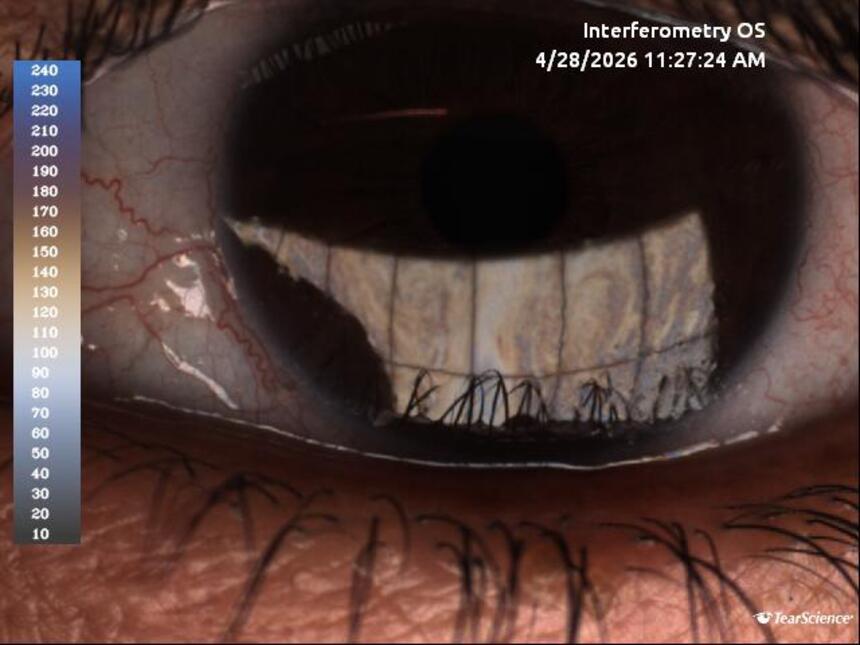
The assessment can also help determine:
- Tear film stability
- Lipid layer thickness
- Blink quality
- Signs of gland blockage or inflammation
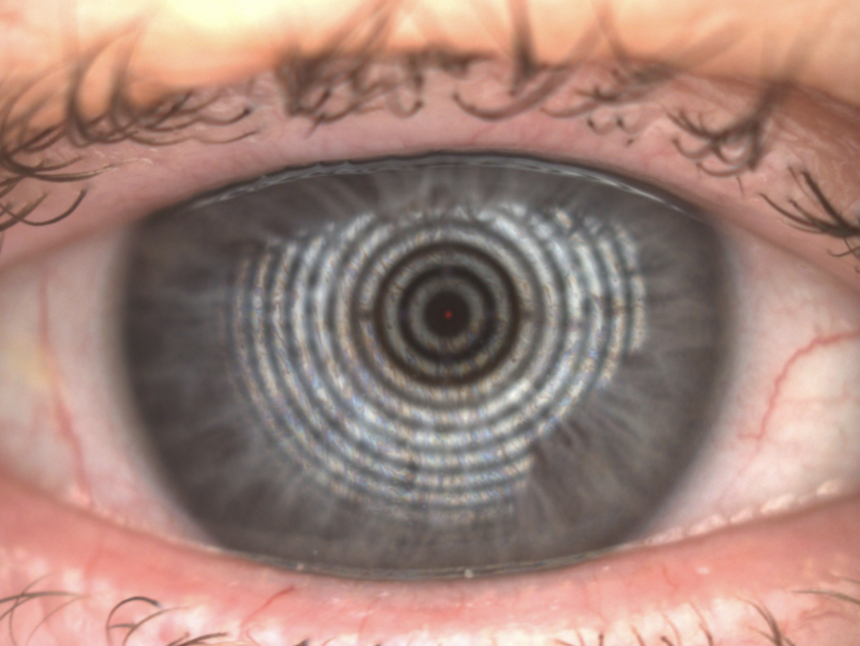
Visual scan images may be shown during the appointment to help you better understand your results and recommended treatment options.
Side effects of a lipid layer analysis
A lipid layer analysis is completely non-contact, painless, and safe for patients of all ages.
Because the test does not involve touching the eye, dilating drops, or bright lights for prolonged periods, patients can usually return to normal daily activities immediately afterwards.
If your clinician recommends additional dry eye testing during the same appointment, you may receive personalised aftercare advice depending on the assessments performed.
Why choose Dry Eye Centre for a lipid layer analysis?
At Dry Eye Centre, we provide detailed dry eye investigations using advanced diagnostic technology designed to identify the underlying causes of your symptoms – not simply manage them temporarily.

Specialists in Dry Eye Disease
Our experienced clinicians specialise in dry eye disease and tear film disorders, allowing us to provide accurate assessments and personalised treatment recommendations based on your results. We understand that many patients arrive feeling frustrated after trying multiple treatments without lasting improvement.

Tailored Management Plans
By combining lipid layer analysis with a comprehensive dry eye assessment, we can build a clearer picture of your eye health and create a tailored management plan suited to your individual needs.
What we offer
We welcome patients from London and across the UK who are seeking expert dry eye diagnosis and treatment.
Patients choose Dry Eye Centre because we offer:

Specialist Dry Eye Expertise
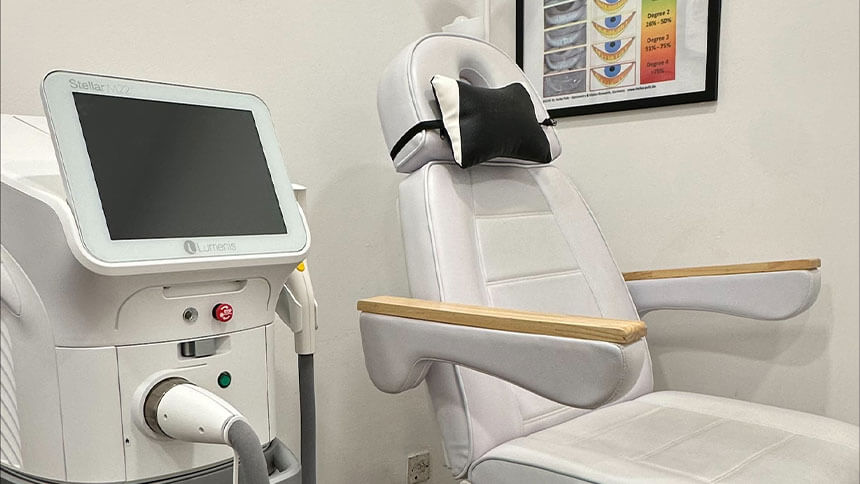
Advanced Tear Film Imaging Technology

Personalised Treatment Plans

Clear Explanations and Patient-focused Care
Ongoing Support and Aftercare
Lipid layer analysis FAQs
The assessment itself usually takes only a few minutes to perform. However, it is often completed as part of a more comprehensive dry eye consultation, which may include additional investigations depending on your symptoms.
Several factors can influence tear film lipid layer results, including recent contact lens wear, eye makeup, screen use, blinking habits, environmental conditions, and existing dry eye disease. Your clinician may advise avoiding certain products or activities before your appointment to help ensure accurate results.
Lipid layer assessments are typically performed using specialist interferometry technology. These advanced imaging systems allow clinicians to evaluate tear film quality, lipid layer thickness, and tear stability quickly and comfortably without touching the eye.
The tear film is a thin protective layer that covers the surface of the eye. It consists of three layers – oil (lipid), water, and mucus – which work together to keep the eyes hydrated, comfortable, and protected from irritation and infection.
The assessment itself usually takes only a few minutes to perform. However, it is often completed as part of a more comprehensive dry eye consultation, which may include additional investigations depending on your symptoms.
Several factors can influence tear film lipid layer results, including recent contact lens wear, eye makeup, screen use, blinking habits, environmental conditions, and existing dry eye disease. Your clinician may advise avoiding certain products or activities before your appointment to help ensure accurate results.
Lipid layer assessments are typically performed using specialist interferometry technology. These advanced imaging systems allow clinicians to evaluate tear film quality, lipid layer thickness, and tear stability quickly and comfortably without touching the eye.
The tear film is a thin protective layer that covers the surface of the eye. It consists of three layers – oil (lipid), water, and mucus – which work together to keep the eyes hydrated, comfortable, and protected from irritation and infection.