The Importance of Treating a Chalazion
A chalazion may begin as a small swelling but can gradually become firmer and more noticeable if the blocked gland does not clear. Oil glands in the eyelids are essential for keeping the tear film healthy. When oil thickens or becomes trapped, inflammation develops inside the lid, forming a chalazion.
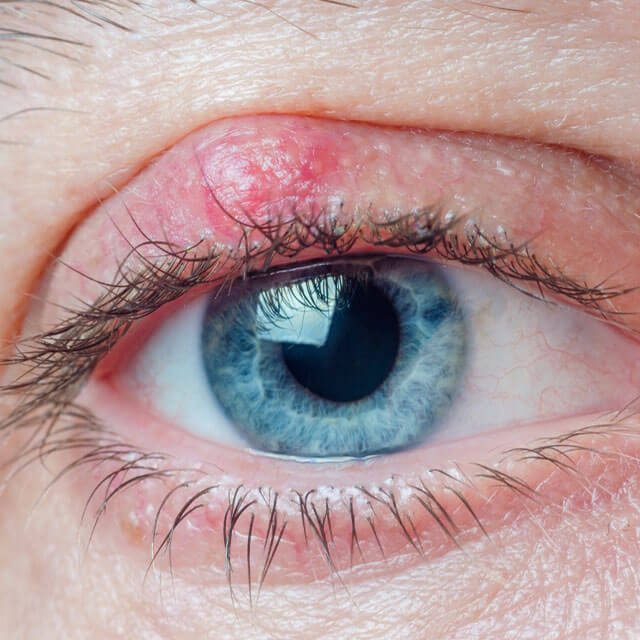
Although usually painless, chalazia can feel uncomfortable, cause cosmetic concern, or interfere with vision if they grow large enough to press on the eye. Recurrent chalazia may signal underlying eyelid conditions such as blepharitis or meibomian gland dysfunction.
Early treatment supports natural drainage, reduces inflammation, and lowers the chance of recurrence. Knowing when home care is sufficient – and when specialist treatment is needed – helps protect both comfort and long-term eye health.
How Can Dry Eye Centre Help With Chalazion Treatment
Assessments
At Dry Eye Centre, we assess both the chalazion and the overall health of your eyelids and oil glands. This allows us to identify contributing factors such as chronic inflammation, gland blockage, or dry eye disease.
Medications & Treatments
Alongside advice on warm compresses and eyelid hygiene, we can recommend topical or oral medications where appropriate to reduce inflammation or bacterial load. For patients with persistent or recurrent chalazia, we also offer Intense Pulsed Light (IPL) therapy, which helps improve oil gland function, reduce inflammation, and lower the risk of future blockages. Our goal is to provide long-term solutions, not just short-term relief.
Signs You May Have a Chalazion
A chalazion usually appears as a firm, round lump within the eyelid that develops slowly over time. It is typically painless, unlike a stye, and the surrounding skin usually looks normal.
Other signs may include mild swelling, eyelid heaviness, tenderness to touch, or blurred vision if the chalazion becomes large. Repeated chalazia may indicate ongoing eyelid inflammation or blocked oil glands and should be professionally assessed.
Eye Conditions Related to Chalazion
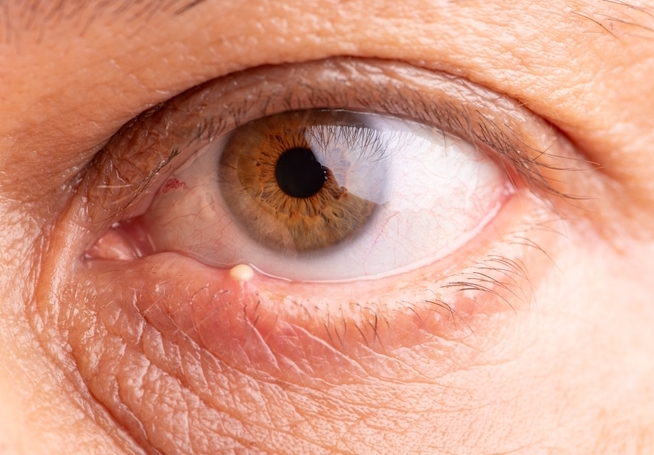
Stye (Hordeolum)
A painful, red lump caused by an infected eyelid gland. Once the infection resolves, it may develop into a chalazion.
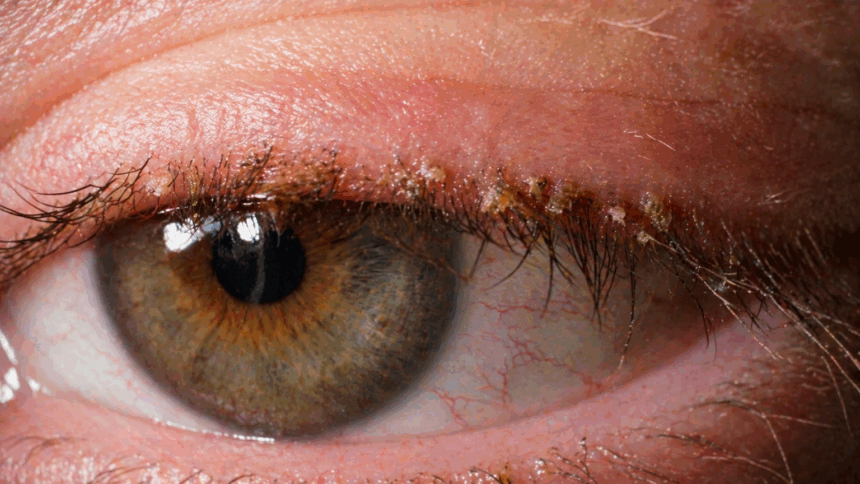
Blepharitis
Chronic inflammation of the eyelid margins that increases oil gland blockage and recurrence risk.
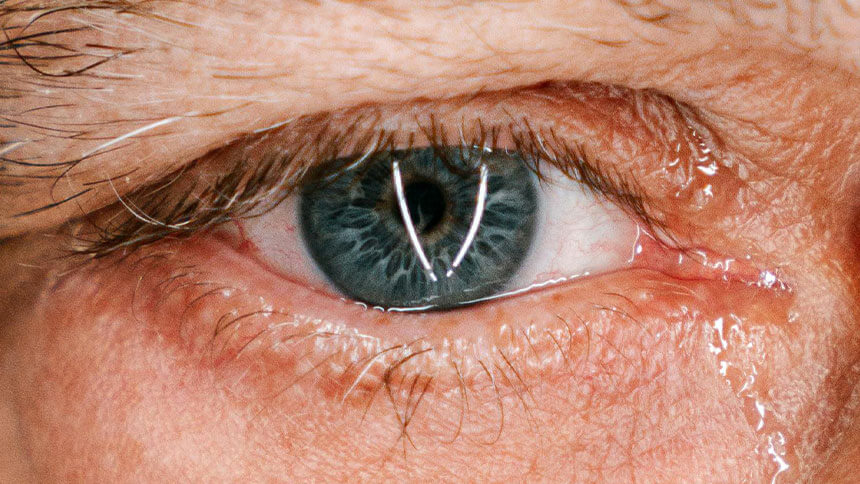
Meibomian Gland Dysfunction (MGD)
Poor oil flow from eyelid glands, commonly linked to chalazia, dry eye, and lid inflammation.
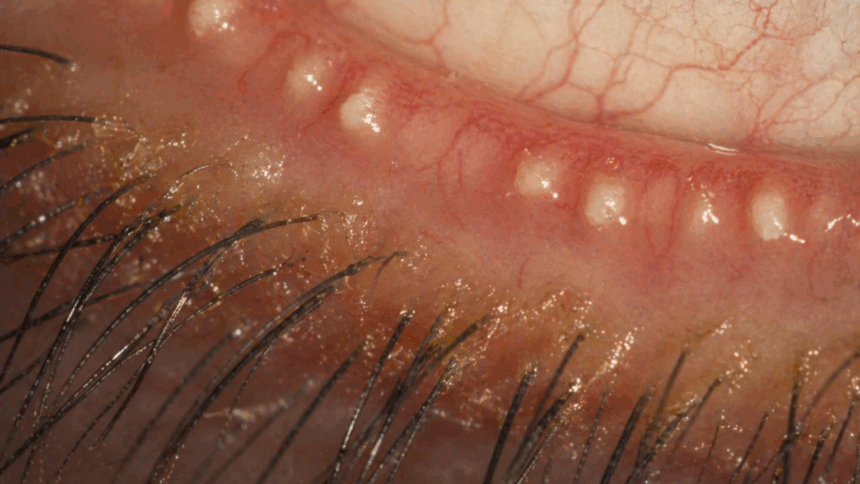
Dry Eye
Unstable tears caused by gland blockage can worsen irritation and contribute to chalazion development.
Example of a Chalazion Care Routine
Many chalazia improve with consistent at-home care, particularly when treated early.
Warm Compress
Start with a warm compress over closed eyes for 10 minutes, once or twice daily. Heat helps soften thickened oils and encourages gland drainage.
Eyelid Massage
Follow with gentle eyelid massage, lightly massaging toward the lash line using clean fingers. Avoid squeezing the lump directly.
Eyelid Hygiene
Maintain eyelid hygiene by cleaning the lash line with a recommended lid-cleaning product to reduce bacteria and prevent further blockage.
Medication and Advanced Treatment Options
Your clinician will recommend treatment based on the size, duration, and recurrence of the chalazion.
If home care alone is not effective, additional treatments may be recommended:
Topical Treatments
Antibiotic or anti-inflammatory eye drops or ointments may be prescribed if there is associated infection or significant inflammation.
Systemic (Oral) Medication
In recurrent or inflammatory cases, oral antibiotics (often with anti-inflammatory properties) may be used to improve oil gland function and reduce recurrence.
Intense Pulsed Light (IPL) Therapy
IPL helps reduce eyelid inflammation, improve oil gland output, and support long-term eyelid health. It is particularly effective for patients with recurring chalazia linked to dry eye or blepharitis.
Conservative Chalazion Treatment Options:
Home Care vs Medication vs IPL
Chalazia can vary in size, duration, and recurrence. While some improve with simple care at home, others require medication or advanced treatment. Understanding your options can help you choose the most effective approach for long-term relief.
Why treatment choice matters
Not all chalazia are the same. Some resolve quickly, while others persist for months or keep returning. The right treatment depends on factors such as how long the chalazion has been present, whether it is recurring, and whether there is underlying eyelid inflammation or oil gland dysfunction.
Treating the chalazion itself is important, but addressing the root cause — often blocked or inflamed oil glands — is key to preventing future episodes.
Home Care for Chalazion
Best for:
- Early-stage chalazia
- Mild, first-time eyelid lumps
- Supporting other treatments
What It Involves:
- Warm compresses (10 minutes, once or twice daily)
- Gentle eyelid massage
- Consistent eyelid hygiene
Benefits:
Home care is safe, non-invasive, and effective for many people when started early. Warmth helps soften thickened oils and encourages natural drainage of the blocked gland.
Limitations:
Improvement can be slow, and home care alone may not resolve larger or long-standing chalazia. It is less effective for recurrent cases or when underlying eyelid inflammation is present.
Medication for Chalazion
Best for:
- Chalazia with inflammation or infection
- Recurrent chalazia
- Chalazia linked to blepharitis or eyelid disease
Types of Medication:
- Topical treatments
Antibiotic or anti-inflammatory eye drops or ointments may be prescribed to reduce inflammation or manage bacterial involvement. - Systemic (oral) medication
In some cases, oral antibiotics with anti-inflammatory properties are used to improve oil gland function and reduce recurrence.
Benefits:
Medication can reduce inflammation more quickly and is particularly useful when home care alone hasn’t been effective.
Limitations:
Medication does not always address long-term gland dysfunction and may not prevent future chalazia without ongoing eyelid care.
IPL Treatment for Chalazion
Best for:
- Recurrent chalazia
- Chalazia linked to dry eye or meibomian gland dysfunction
- Patients seeking long-term prevention
What IPL Involves:
Intense Pulsed Light (IPL) therapy uses controlled light pulses around the eyelids to reduce inflammation, improve oil gland function, and decrease bacterial load.
Benefits:
IPL targets the underlying cause of many chalazia rather than just the lump itself. It can significantly reduce recurrence, improve overall eyelid health, and relieve associated dry eye symptoms.
Limitations:
IPL is delivered in-clinic and may require a course of treatments. It is usually recommended when simpler treatments have not provided lasting results.
Which Chalazion Treatment is Right for You?
If your chalazion is new and mild, home care may be all that’s needed. If it persists, keeps returning, or affects your vision or confidence, medication or advanced treatments such as IPL may be more effective.
A professional assessment ensures that treatment is tailored to your eyelid health rather than taking a trial-and-error approach.
Surgical Treatment for Chalazion
When a chalazian is longstanding and non-responsive to conservative treatment, surgical removal is an option.
Best for:
- Chalazia that persist despite home care, medication, and IPL
- Large chalazia affecting vision or eye comfort
- Long-standing chalazia present for several months
What Surgery Involves:
Surgical treatment involves a minor procedure to drain or remove the chalazion. It is usually performed under local anaesthetic and typically takes only a short time. The eyelid is carefully accessed from the inner surface to minimise visible scarring.
At Dry Eye Centre, we dedicate our services to conservative options and we do not provide surgical options. Should surgery be required, we can refer to one of our recommended expert Ophthalmologist colleagues.
Benefits:
Surgery can provide immediate resolution of the lump when conservative treatments have failed.
Limitations:
Surgery treats the existing chalazion but does not prevent future chalazia unless underlying eyelid health is also addressed. Ongoing eyelid hygiene and management of oil gland function remain important after surgery. The chalazion also needs to be of significant size for the surgery to be beneficial.
Chalazion FAQs
Yes. IPL can improve oil gland function and reduce eyelid inflammation, making it effective for preventing recurrent chalazia linked to dry eye or blepharitis.
A chalazion is a painless lump in the eyelid caused by a blocked oil gland. It develops slowly and may last for weeks or months.
A stye is painful and caused by infection, whereas a chalazion is usually painless and caused by a blocked gland. A stye can evolve into a chalazion.
Seek advice if a chalazion lasts longer than a few weeks, recurs frequently, becomes large, or affects vision.
Medication may help in certain cases. Topical treatments can reduce inflammation or infection, while oral medication may be used for recurrent or inflammatory chalazia.
Yes. IPL can improve oil gland function and reduce eyelid inflammation, making it effective for preventing recurrent chalazia linked to dry eye or blepharitis.
A chalazion is a painless lump in the eyelid caused by a blocked oil gland. It develops slowly and may last for weeks or months.
A stye is painful and caused by infection, whereas a chalazion is usually painless and caused by a blocked gland. A stye can evolve into a chalazion.
Seek advice if a chalazion lasts longer than a few weeks, recurs frequently, becomes large, or affects vision.
Medication may help in certain cases. Topical treatments can reduce inflammation or infection, while oral medication may be used for recurrent or inflammatory chalazia.