The Importance of Eyelid Hygiene
Many people don’t think about eyelid hygiene as part of their daily routine, yet the eyelids are essential for healthy, comfortable eyes. Along the eyelid margins are tiny oil glands that help keep tears stable. When these glands become blocked or irritated, it can lead to redness, soreness, and chronic discomfort.
A consistent lid hygiene routine helps remove bacteria, flakes, and oils that build up around the lashes. This can significantly reduce symptoms such as itching, burning, crusting, and gritty sensations. For people with blepharitis or dry eye, proper eyelid hygiene is often the most important long-term management step.
Following clear eyelid hygiene instructions at home can help prevent flare-ups, improve tear quality, and support the success of professional treatments. Simple, regular care can make a meaningful difference to eye health and comfort.
How Can Dry Eye Centre Help With Eyelid Hygiene

Dry Eye Centre offers expert guidance on eyelid hygiene tailored to your individual eye condition. During your appointment, we assess eyelid health, and with the use is slit lamp imaging and videography, we explain the cause of symptoms, and provide clear eyelid hygiene instructions you can confidently follow at home. Accurate diagnosis of the type of blepharitis present is extremely important for effective management.

We also offer in-practice lid hygiene treatments and ongoing care plans for patients who need extra support. If symptoms persist despite proper lid hygiene at home, we can recommend advanced treatments to address the underlying cause and provide longer-lasting relief. We provide in-house cleaning techniques which include ZEST/Zocular treatment and Low Level Light Therapy.
Signs of Poor Eyelid Hygiene
Signs of poor eyelid hygiene can be subtle at first but often become persistent. These include red or swollen eyelids, crusting along the lashes, itchy or sore eyes, and a gritty or burning sensation.
You may also experience watery eyes, blurred vision that improves with blinking, or recurring styes. If symptoms return quickly after temporary relief, it may indicate that your eyelids need more consistent care. Recognising these signs early and improving your lid hygiene routine can help protect your eye health.
Eye Conditions Caused by Poor Lid Hygiene
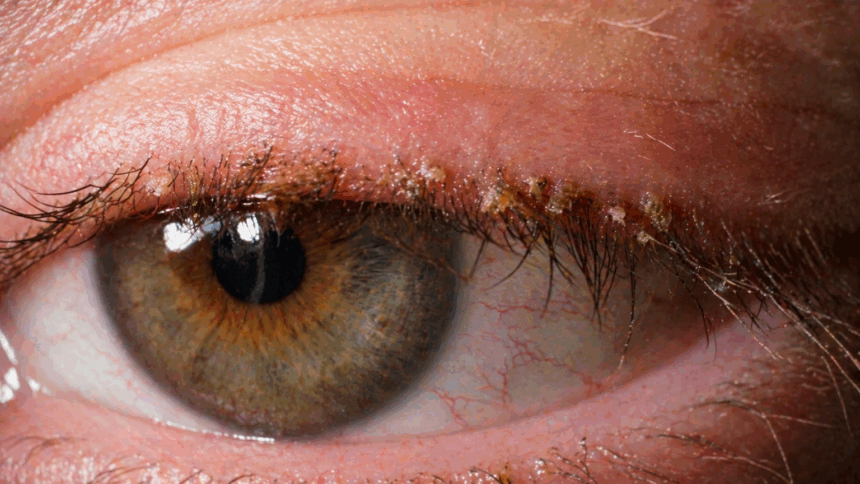
Blepharitis
Blepharitis is inflammation of the eyelid edges, often caused by bacteria or blocked oil glands. Symptoms include redness, crusty lashes, itching, and sore, gritty eyes. Ongoing eyelid hygiene is key to management.
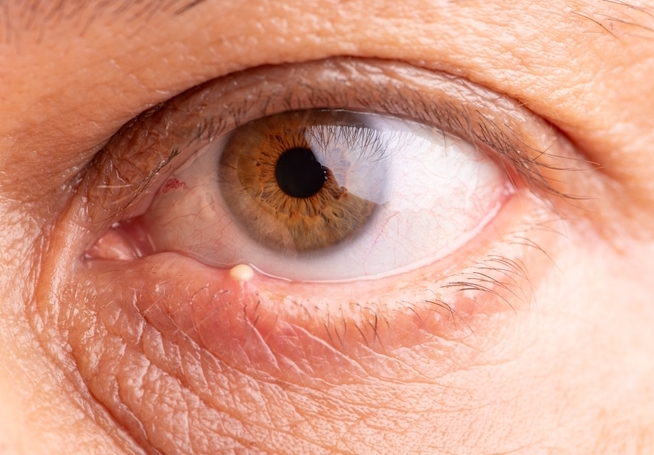
Stye
A stye is a painful red lump near the lash line caused by an infected oil gland. Swelling, tenderness, and watering are common. Good lid hygiene can reduce recurrence.
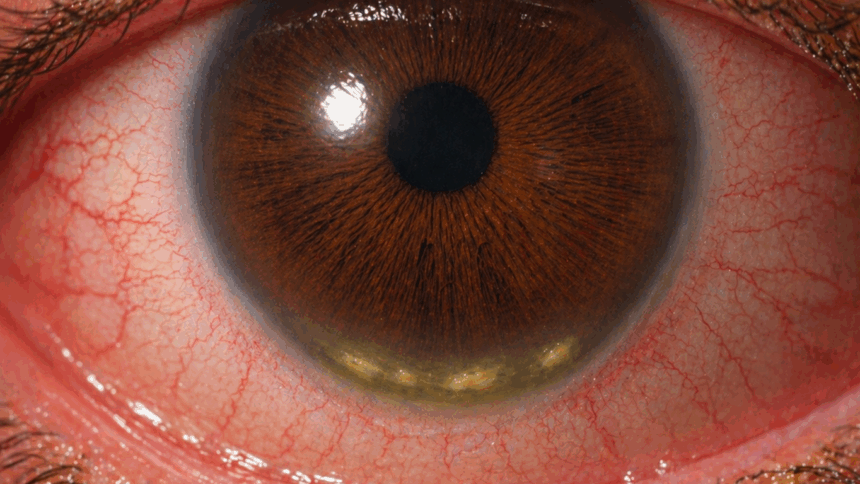
Marginal Keratitis
This condition involves inflammation at the edge of the cornea due to toxins from eyelid bacteria. Symptoms include pain, redness, light sensitivity, and blurred vision. Prompt professional care is essential.
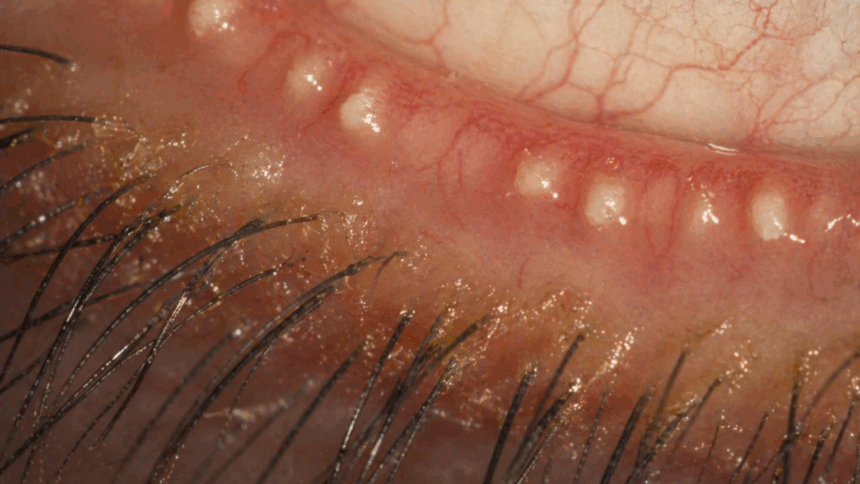
Dry Eye
Blocked eyelid oil glands can cause tears to evaporate too quickly. Symptoms include burning, discomfort, and fluctuating vision. Proper eyelid hygiene helps improve tear quality.
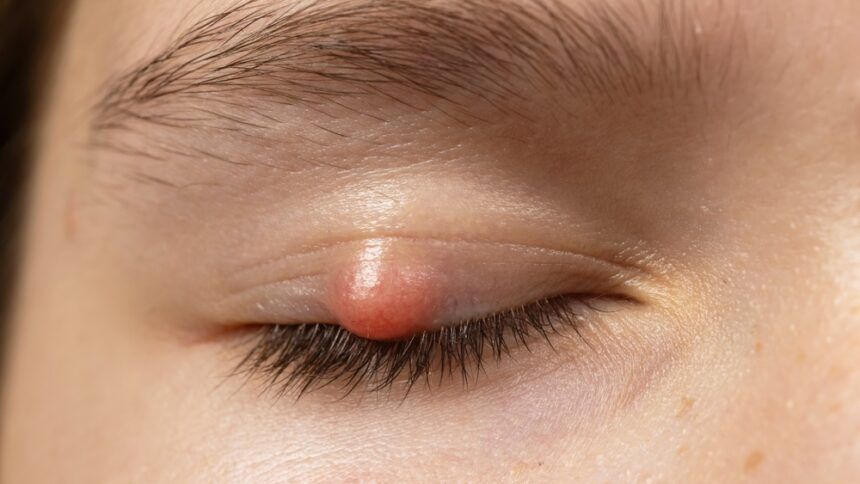
Chalazion
A chalazion is a painless lump caused by a blocked oil gland. It develops slowly and may persist for months. Warm compresses and lid hygiene are commonly recommended.
Example of an Eyelid Hygiene Routine
Following clear eyelid hygiene instructions at home can help manage symptoms and prevent flare-ups. Most routines take only a few minutes each day.
Begin with a warm compress applied over closed eyes for 5–10 minutes. The warmth helps soften oils within the eyelid glands, making cleaning more effective. Ensure the compress is warm, not hot.
Next, carry out gentle lid cleaning. Using clean hands, apply a recommended lid-cleaning solution or wipe along the lash line. Gently massage the eyelids, focusing on the base of the lashes, without pressing too firmly.
Do not use baby shampoo.
Finish by drying the eyelids gently with a clean towel. For many people, this routine should be done once or twice daily. Consistent, proper eyelid hygiene is far more effective than occasional cleaning.
If you have undergone in-practice treatments, your clinician may advise a specific aftercare routine to support recovery and long-term comfort.
Eyelid Hygiene FAQs
Omega-3 supplements may support healthy oil gland function and tear quality for some patients. Supplements should support, not replace, proper eyelid hygiene and should be discussed with a professional before use.
Water alone is often not effective at removing oils and bacteria from the eyelids. Specially formulated lid-cleaning products or wipes are usually recommended as they are designed to be safe and effective for the delicate eye area. The type of product can be advised specifically according to your diagnosis.
Most people benefit from cleaning their eyelids once or twice daily, particularly when symptoms are active. Your optometrist may advise adjusting frequency based on your condition and response to treatment.
Proper eyelid hygiene involves using warm compresses and gentle lid cleaning to remove bacteria, oils, and debris from the eyelid margins. It helps reduce inflammation, manage symptoms, and support long-term eye comfort, especially for conditions like blepharitis and dry eye.
Seek professional advice if symptoms are painful, worsening, affecting vision, or not improving with regular eyelid hygiene. Recurrent styes, ongoing redness, or light sensitivity should always be assessed.
Omega-3 supplements may support healthy oil gland function and tear quality for some patients. Supplements should support, not replace, proper eyelid hygiene and should be discussed with a professional before use.
Water alone is often not effective at removing oils and bacteria from the eyelids. Specially formulated lid-cleaning products or wipes are usually recommended as they are designed to be safe and effective for the delicate eye area. The type of product can be advised specifically according to your diagnosis.
Most people benefit from cleaning their eyelids once or twice daily, particularly when symptoms are active. Your optometrist may advise adjusting frequency based on your condition and response to treatment.
Proper eyelid hygiene involves using warm compresses and gentle lid cleaning to remove bacteria, oils, and debris from the eyelid margins. It helps reduce inflammation, manage symptoms, and support long-term eye comfort, especially for conditions like blepharitis and dry eye.
Seek professional advice if symptoms are painful, worsening, affecting vision, or not improving with regular eyelid hygiene. Recurrent styes, ongoing redness, or light sensitivity should always be assessed.