What is a Meibography Eye Assessment?
A meibography test is a simple, non-invasive eye assessment that looks at the tiny oil glands in your eyelids, called meibomian glands. These glands produce an oily layer that stops your tears from drying out too quickly.
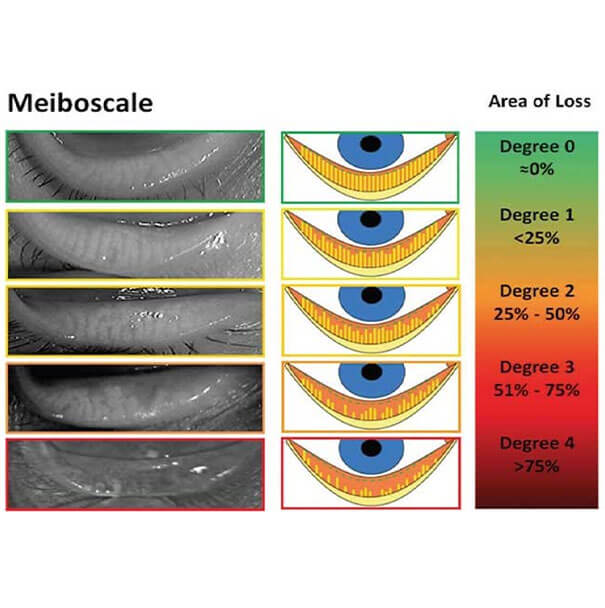
Using safe infrared light, your clinician takes clear images of these glands to check if they are working properly. The meibography test can indicate changes in the anatomy of the glands, identify gland tortuosity, shortening or even loss.
We use this particular eye assessment to grade the level of meibomian gland dysfunction in each eyelid. We combine this information with the rest of the assessment to help us formulate an accurate diagnosis and effective treatment plan.
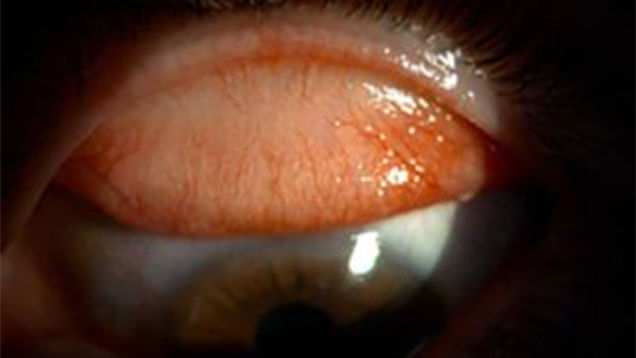
Normal View
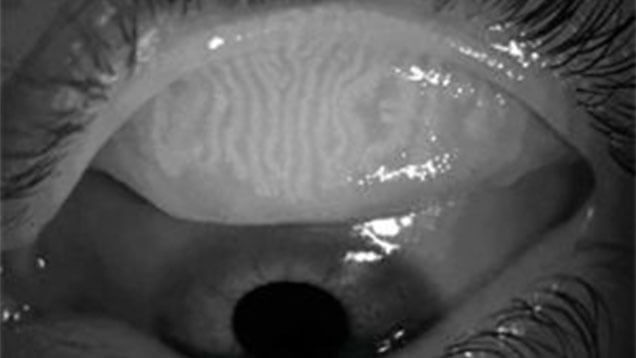
Meibography View
Who Should Schedule a Meibography Eye Assessment?
Meibography Eye Assessments are suitable for both adults and children, and because it’s quick and gentle, it’s ideal even if you feel nervous about eye tests. As it uses infra-red light, the testing procedure is easily tolerable even if sensitive to bright lights.
This test may be helpful if you often experience any of the following dry eye symptoms:
Dry, Itchy, or Gritty Eyes
Burning or Stinging Sensations

Blurry or Fluctuating Vision
Watery Eyes That Still Feel Dry
Ongoing Symptoms Despite Using Eye Drops
What Results Can You Expect?
After your scan, your clinician will show you images of your eyelid glands and explain what they mean in a clear, easy-to-understand way.
You might be told:
- Your glands are healthy and working well
- Some glands are blocked and not releasing enough oil
- There is gland loss (dropout), which can affect tear quality
- Prognosis of certain treatments
Seeing these images can often be a relief—it helps explain why your eyes feel the way they do and what can be done to improve them.
How Does Meibomian Gland Expression Work?
Meibography tells us about the state of the meibomian gland anatomy but does not tell the entire story of their function. Whenever possible, meibomian gland expression is also performed at the initial assessment to provide more information about quality of meibum being produced and how easily the oils are released.
What Treatments May Follow?
If your results show a problem, don’t worry – there are effective treatments available. Your care plan will be tailored to you and may include:
Why Choose the Dry Eye Centre?
We understand how frustrating ongoing eye discomfort can be. That’s why we focus on giving you clear answers and real solutions.
Our goal is simple: help you feel comfortable and confident about your eye health.
Advanced Imaging for Accurate Diagnosis

Friendly, Experienced Dry Eye Specialists
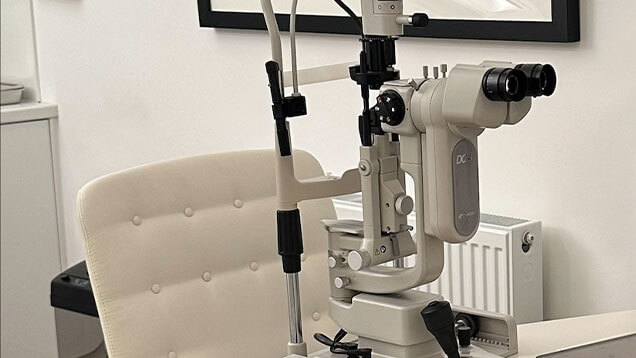
Clear Explanations

Personalised Treatment Plans

Leading Experts in the Treatment of Dry Eye Disease
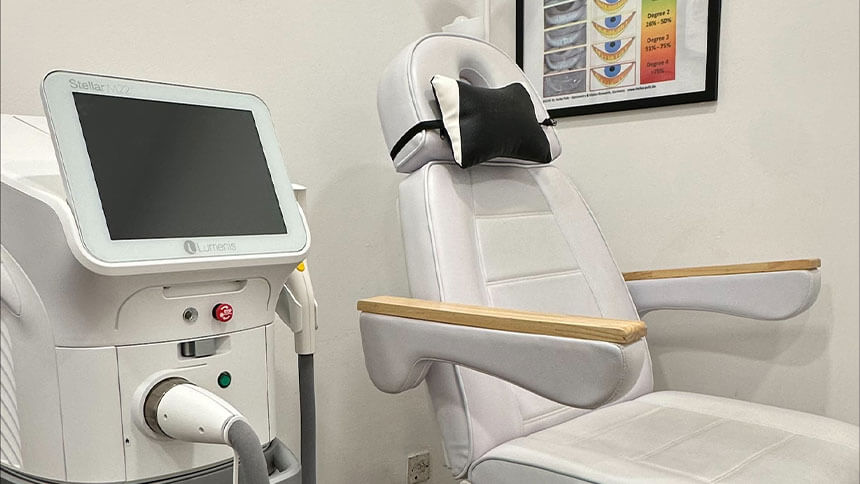
Pioneers of Intense Pulsed Light Treatment
Meibography FAQs
No – meibography is very safe. It doesn’t touch your eye and doesn’t cause pain or side effects.
A small camera uses safe infrared light to scan your eyelids. Your clinician gently lifts your eyelid to take the image – there’s no contact with your eye, and it’s completely comfortable.
The test usually takes around 5–10 minutes, and you’ll get your results straight away.
A meibography test helps detect changes to the meibomian glands, like blocked glands, gland shortening, tortuosity and gland loss. Meibomian gland dysfunction is the leading cause of dry eye which can be treated if identified early.
Meibography is a quick and painless scan that takes images of the oil glands in your eyelids. It helps identify problems that can lead to dry eye symptoms.
No – meibography is very safe. It doesn’t touch your eye and doesn’t cause pain or side effects.
A small camera uses safe infrared light to scan your eyelids. Your clinician gently lifts your eyelid to take the image – there’s no contact with your eye, and it’s completely comfortable.
The test usually takes around 5–10 minutes, and you’ll get your results straight away.
A meibography test helps detect changes to the meibomian glands, like blocked glands, gland shortening, tortuosity and gland loss. Meibomian gland dysfunction is the leading cause of dry eye which can be treated if identified early.
Meibography is a quick and painless scan that takes images of the oil glands in your eyelids. It helps identify problems that can lead to dry eye symptoms.